7 Biblical Herbs With Incredible Health Benefits
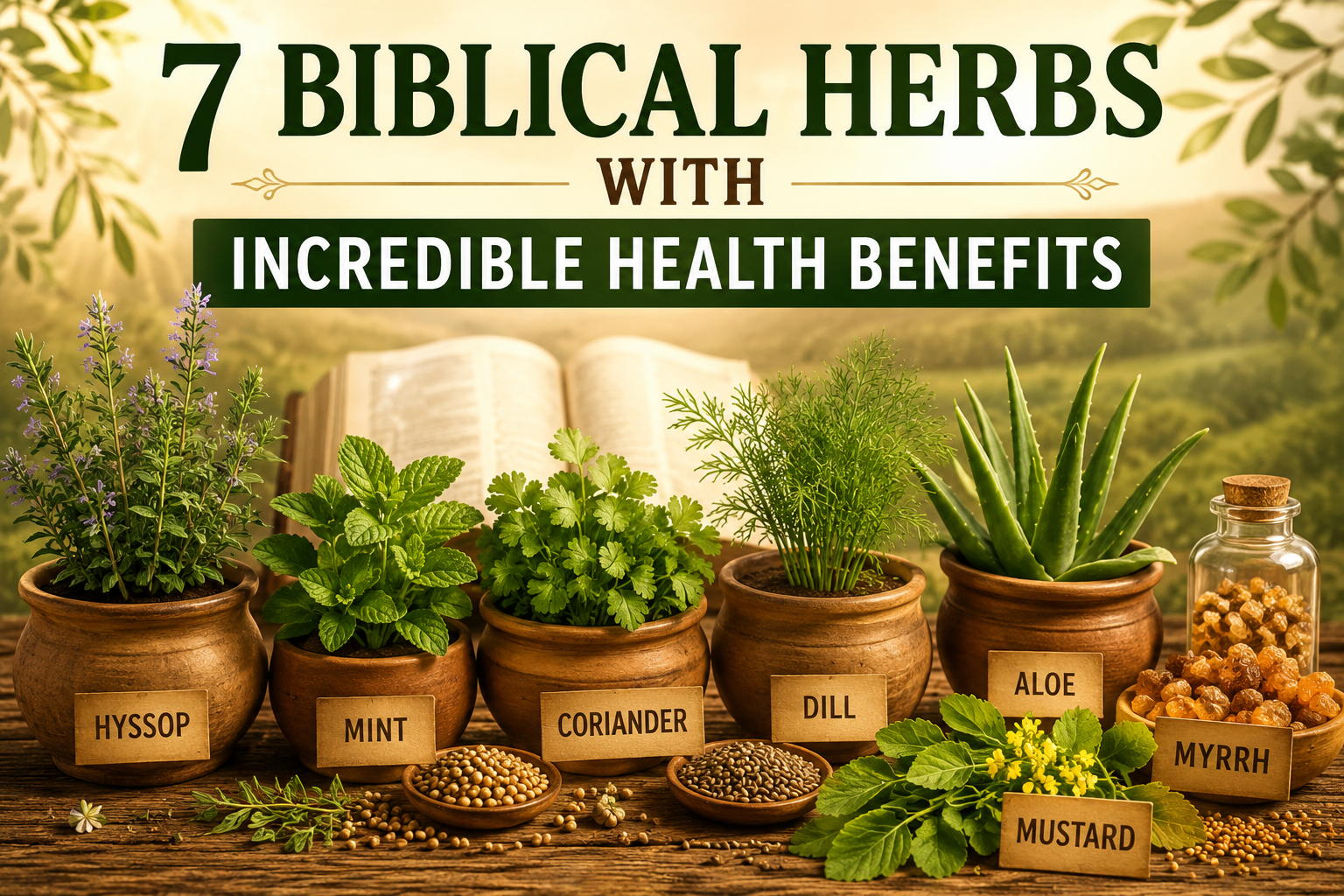
7 Biblical Herbs With Incredible Health Benefits
Have you ever wondered why so many herbs mentioned in the Bible are still valued thousands of years later? Long before pharmacies and modern medicine, people relied on the plants growing around them to flavor food, care for their families, and support everyday health. Many of those same herbs are still growing in gardens today, and modern scientific research has begun to confirm what ancient civilizations seemed to understand through experience.
One thing I’ve noticed over the years is that gardening changes the way you look at plants. A small herb growing in a corner of the garden suddenly becomes much more meaningful when you realize it has been part of human history for centuries. For many Christians, growing biblical herbs also creates a deeper connection with Scripture. Instead of simply reading about these plants, you can watch them grow, harvest them, and appreciate the role they played in biblical times.
It’s worth remembering that herbs are not miracle cures, and the Bible doesn’t present them as magical remedies. They were part of everyday life—used in cooking, ceremonies, fragrances, and traditional wellness practices. Modern science has found that many herbs contain natural compounds that may support overall health when used as part of a balanced lifestyle.
Let’s explore seven fascinating biblical herbs that continue to capture the attention of gardeners, historians, and health enthusiasts alike.
1. Hyssop
Few biblical herbs carry as much symbolic meaning as hyssop. It appears several times throughout Scripture and is closely associated with cleansing and purification. In Psalm 51:7, David famously prayed, “Purge me with hyssop, and I shall be clean.”
Many people are surprised to learn that hyssop is also a beautiful garden plant. Its vibrant purple flowers attract bees and butterflies, making it an excellent choice for pollinator-friendly gardens.
Potential Health Benefits
Modern studies suggest hyssop contains natural compounds with antioxidant properties. Traditionally, it has been used in herbal teas to support respiratory comfort and digestion. While research is still developing, herbalists continue to value hyssop for its refreshing aroma and traditional wellness uses.
Growing Tips
Hyssop is relatively easy to grow.
- Plant it in full sunlight.
- Use well-drained soil.
- Water moderately.
- Trim after flowering to encourage healthy growth.
If you’re looking for a herb that combines beauty, history, and practical value, hyssop is a wonderful place to begin.
But hyssop isn’t the only biblical herb with an impressive story. The next plant has been treasured in kitchens around the world for thousands of years.
2. Mint
Mint may seem like an ordinary herb today, but it was highly valued during biblical times. Jesus even referred to mint when speaking about religious practices, showing that it was an important crop in everyday life.
Here’s where things get interesting. Mint remains one of the easiest herbs for beginners to grow, making it perfect for anyone starting a biblical herb garden.
Potential Health Benefits
Scientific research has found that mint contains natural oils that may help support healthy digestion and provide a refreshing sensation. Peppermint, one of the most popular varieties, is widely used in teas and herbal products because of its cooling properties.
Many gardeners enjoy harvesting fresh mint for:
- Herbal tea
- Fruit salads
- Lemon water
- Homemade sauces
- Fresh summer drinks
Growing Tips
Mint grows quickly and spreads aggressively.
To keep it under control:
- Grow it in containers.
- Water regularly.
- Harvest often.
- Place it where it receives morning sunlight.
One thing I’ve noticed over the years is that a single mint plant can provide more fresh leaves than most families can use during an entire season.
Still, mint isn’t the oldest culinary herb mentioned in biblical history. The next herb was considered valuable enough to become part of daily life across the ancient Middle East.
3. Coriander
Coriander has a fascinating biblical connection. In the Book of Exodus, manna—the miraculous food provided to the Israelites—is described as being similar in appearance to coriander seed.
Although coriander itself wasn’t the manna, this comparison shows just how familiar the plant was to people living during biblical times.
Today, coriander serves two purposes. Its fresh leaves are known as cilantro, while its dried seeds are used as a popular spice.
Potential Health Benefits
Modern research suggests coriander contains beneficial plant compounds with antioxidant properties. It has traditionally been used to support digestion and is commonly included in healthy cooking around the world.
Fresh coriander also provides vitamins and minerals that contribute to a balanced diet.
Growing Tips
If you’d like to grow coriander at home:
- Plant it during cooler seasons.
- Keep the soil evenly moist.
- Harvest leaves regularly.
- Allow a few plants to flower if you want fresh coriander seeds for cooking.
Many beginner gardeners are surprised by how quickly coriander grows from seed, making it one of the most rewarding herbs to cultivate.
As useful as coriander is, the next biblical herb has been prized not only for its flavor but also for its remarkable fragrance—a quality that made it valuable in both ancient homes and sacred traditions.
4. Dill
Dill is another herb mentioned in the Bible and was commonly grown in household gardens throughout the ancient Middle East. With its delicate, feathery leaves and distinctive aroma, dill was valued for both cooking and everyday use.
At first glance, dill may seem like just another seasoning, but it has been appreciated for centuries because of its versatility. It pairs beautifully with vegetables, fish, soups, and homemade pickles, making it a favorite in many kitchens even today.
Potential Health Benefits
Modern research suggests dill contains antioxidants and beneficial plant compounds that may help support overall wellness. Traditionally, dill has been used in herbal remedies to promote healthy digestion and reduce occasional bloating after meals.
Adding fresh dill to your meals is also an easy way to increase the flavor of food without relying on excessive salt.
Growing Tips
Dill is beginner-friendly and grows quickly.
For the best results:
- Plant in full sun.
- Use well-drained soil.
- Water consistently but avoid soggy conditions.
- Harvest leaves before the plant flowers for the strongest flavor.
Once dill begins producing seeds, you can collect them for cooking or save them for next season’s garden.
But dill isn’t the most fragrant herb connected to biblical history. The next plant has been treasured for thousands of years because of its remarkable scent and valuable oil.
5. Myrrh
Although myrrh isn’t a culinary herb like mint or dill, it is one of the most recognizable plants mentioned in the Bible. It was one of the precious gifts presented to Jesus after His birth and was considered one of the most valuable natural products of the ancient world.
Myrrh comes from the resin of small thorny trees that grow in dry regions of Africa and the Middle East. Once harvested, the resin hardens into fragrant golden-brown pieces used in perfumes, incense, and traditional remedies.
Potential Health Benefits
Modern scientific studies have identified natural compounds within myrrh that are being researched for their antioxidant and antimicrobial properties. While researchers continue studying its effects, myrrh remains popular in natural wellness products and aromatherapy.
Growing Facts
Growing myrrh at home isn’t practical for most gardeners because it requires a hot, desert-like climate. However, learning about its history provides valuable insight into the plants that shaped biblical culture.
The story of myrrh reminds us that some biblical plants were prized not for food, but for their fragrance, beauty, and symbolic significance.
The next herb is far more common and may already be growing in gardens across your neighborhood.
6. Aloe
Aloe is believed by many scholars to be one of the fragrant plants referred to in several passages of Scripture. Unlike many biblical plants, aloe remains a household favorite around the world.
If you’re anything like most readers, you’ve probably seen an aloe plant sitting on a sunny windowsill. Its thick, fleshy leaves store water, making it one of the easiest plants to care for.
Potential Health Benefits
Aloe vera has been studied extensively, particularly for the gel found inside its leaves. Modern research suggests the gel may help soothe minor skin irritation and burns when applied topically. Because of these qualities, aloe has become a common ingredient in skincare products.
Growing Tips
Aloe is one of the simplest biblical plants to grow.
- Place it in bright sunlight.
- Use well-drained cactus or succulent soil.
- Water only when the soil is dry.
- Avoid overwatering, which can damage the roots.
With very little care, an aloe plant can thrive for many years and produce new offshoots that can be replanted.
However, our final herb carries one of the most powerful symbolic messages found anywhere in the Bible.
7. Mustard
Technically, mustard is known more for its tiny seeds than its leaves, but its importance in Scripture cannot be overstated.
Jesus used the mustard seed as an unforgettable lesson about faith. Although it is one of the smallest seeds, it grows into a surprisingly large plant. This simple comparison has inspired generations of Christians to believe that even small acts of faith can produce extraordinary results.
Potential Health Benefits
Modern science has found that mustard seeds contain beneficial nutrients, including minerals, antioxidants, and healthy plant compounds. Mustard greens are also rich in vitamins and can be enjoyed fresh or cooked.
Growing Tips
Mustard is an excellent choice for beginner gardeners.
For healthy growth:
- Plant in cool weather.
- Keep the soil consistently moist.
- Harvest young leaves for salads.
- Allow some plants to mature if you’d like to collect seeds.
Watching a tiny mustard seed develop into a thriving plant is a powerful reminder that growth often begins with something small.
Final Thoughts
The herbs mentioned in the Bible are more than ancient plants described in old stories. They represent a living connection between faith, history, gardening, and everyday life. While modern science continues to study many of these herbs, their lasting popularity speaks for itself.
Growing herbs such as hyssop, mint, coriander, dill, aloe, and mustard doesn’t require years of gardening experience. Most are beginner-friendly and can thrive in backyard gardens, raised beds, or even containers on a sunny patio.
Beyond their practical uses, these plants encourage us to slow down, spend time outdoors, and appreciate the beauty of creation. Caring for a garden teaches patience, responsibility, and gratitude—qualities that are reflected throughout Scripture.
Whether your goal is to create a biblical herb garden, add fresh flavor to your meals, or simply learn more about the plants mentioned in the Bible, these seven herbs offer a meaningful place to begin. Start with one or two that suit your climate, care for them consistently, and enjoy the experience of growing plants that have inspired people for thousands of years. You may discover that the greatest benefit isn’t just what these herbs provide, but the quiet moments of reflection they bring every time you step into your garden.