15 Healing Plants From the Bible and Their Traditional Uses
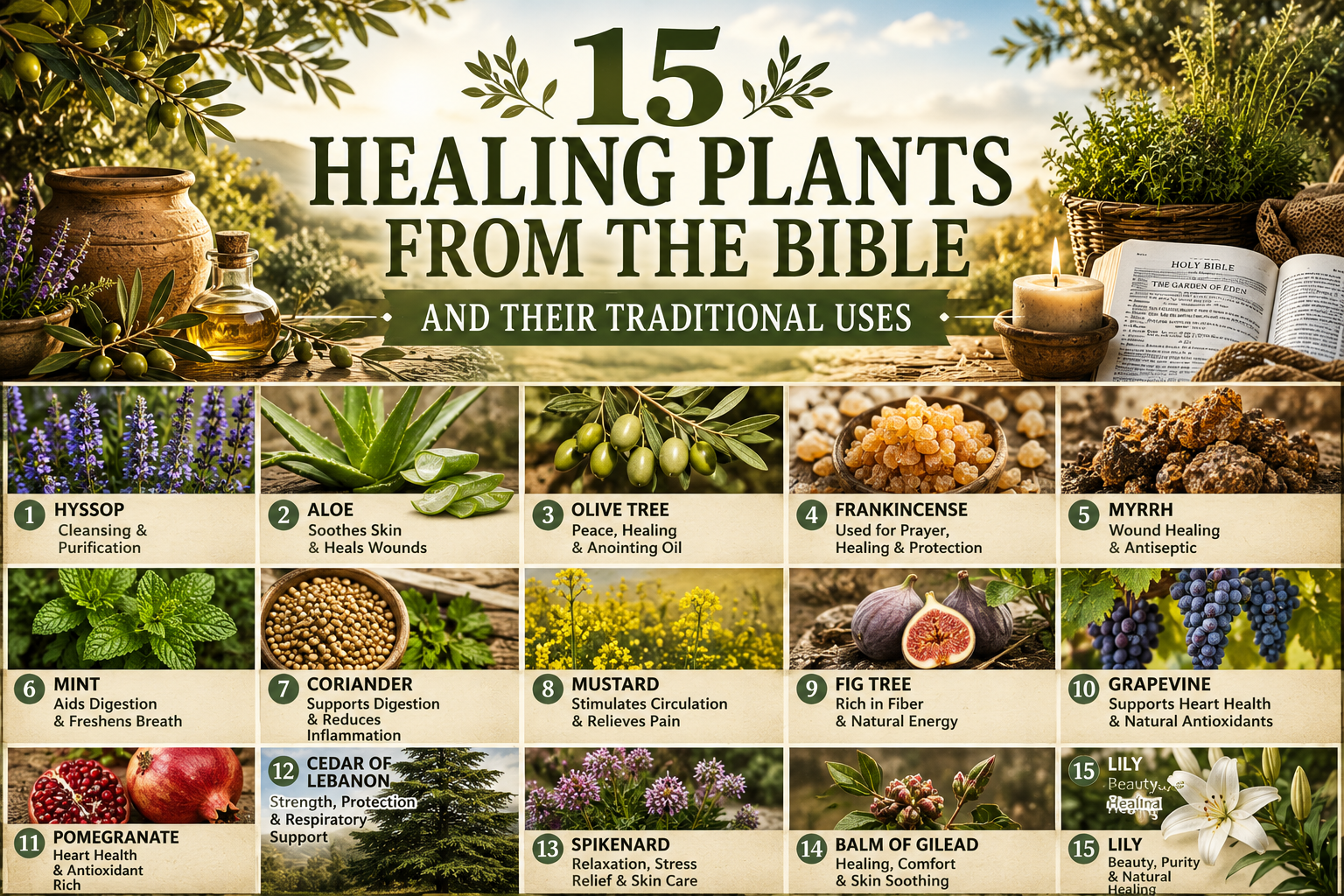
15 Healing Plants From the Bible and Their Traditional Uses
The Bible is filled with references to plants, trees, herbs, and flowers that were part of everyday life in the ancient world. These plants provided food, shelter, fragrance, and traditional remedies for generations. While modern medicine has transformed healthcare, many biblical plants continue to attract interest from gardeners, historians, and researchers because of their long history of traditional use.
Many people are surprised to learn that several plants mentioned in the Bible are still grown in home gardens today. Some are valued for their beautiful flowers, others for their flavorful leaves or nutritious fruit, and many have been used in traditional wellness practices for centuries. Although these plants should never replace professional medical care, they offer a fascinating glimpse into the relationship between nature and daily life in biblical times.
If you’re anything like most gardeners, you enjoy growing plants that have both beauty and meaning. That’s exactly what makes biblical plants so special. They connect us to history while bringing life and purpose to our gardens.
Let’s explore fifteen remarkable healing plants from the Bible and discover why they continue to be appreciated today.
1. Hyssop
Hyssop is one of the best-known herbs in Scripture and is closely associated with cleansing and purification. Traditionally, people prepared herbal infusions using its fragrant leaves. Today, hyssop is admired for its aromatic flowers and ability to attract bees and butterflies, making it an excellent addition to herb gardens.
2. Aloe
Aloe has been valued for thousands of years and is believed to be among the fragrant plants mentioned in the Bible. The clear gel inside its leaves is widely used today in skincare products and is commonly applied to soothe minor skin irritation. It’s also one of the easiest biblical plants to grow indoors.
3. Olive Tree
The olive tree symbolizes peace, blessing, and endurance throughout Scripture. Beyond producing nutritious olives and olive oil, its leaves and fruit have long been appreciated as part of a healthy Mediterranean lifestyle. Olive trees are incredibly long-lived and often become treasured family heirlooms.
4. Frankincense
Frankincense is famous as one of the gifts presented to Jesus after His birth. Harvested as a fragrant resin, it has traditionally been used in incense and perfumes. Modern researchers continue studying its natural compounds, while gardeners admire the remarkable history behind this ancient plant.
5. Myrrh
Like frankincense, myrrh is a resin collected from desert trees. For centuries it was valued for its pleasant fragrance and traditional wellness uses. In biblical times, it was considered precious and often reserved for important ceremonies.
The next plant, however, may already be growing in your own garden.
6. Mint
Mint is specifically mentioned in the New Testament and remains one of the easiest herbs to cultivate. Its refreshing flavor makes it popular in teas, desserts, and beverages. Gardeners love mint because it grows quickly and requires very little care, although it’s best grown in containers to prevent spreading.
7. Coriander
Coriander has a unique biblical connection because the appearance of manna is compared to coriander seed. Today, coriander leaves (known as cilantro) and seeds are enjoyed in cuisines around the world. It’s fast-growing, flavorful, and ideal for beginner gardeners.
8. Mustard
Jesus used the mustard seed to teach one of His most memorable lessons about faith. Mustard greens are rich in nutrients, while the tiny seeds have been used in cooking for centuries. Watching this small seed develop into a thriving plant is a powerful reminder that great things often begin with humble beginnings.
9. Fig Tree
The fig tree appears frequently throughout Scripture and symbolizes peace, prosperity, and fruitfulness. Fresh figs are naturally sweet and packed with fiber, while the tree itself provides generous shade in warm climates.
10. Grapevine
The grapevine is one of the most important plants mentioned in the Bible. Besides producing delicious grapes, vines symbolize spiritual growth and dependence. Home gardeners appreciate grapevines for both their harvest and their beauty.
11. Pomegranate
Known for its jewel-like seeds, the pomegranate represented abundance and blessing in ancient Israel. Today it’s recognized as a nutritious fruit rich in natural antioxidants and makes an attractive addition to many landscapes.
12. Cedar of Lebanon
Although cedar wasn’t grown for food or medicine, its aromatic wood and long life made it one of the most respected trees in the Bible. It symbolizes strength, stability, and endurance.
13. Spikenard
Spikenard was an expensive aromatic plant used to produce valuable perfume. It is remembered for its role in one of the Bible’s most touching acts of devotion, when costly perfume was poured out as an expression of love and honor.
14. Balm of Gilead
The Balm of Gilead became famous as a symbol of comfort and healing. While scholars debate the exact plant, the phrase continues to represent hope and restoration. It reminds readers that healing is about more than physical health—it also includes encouragement and compassion.
15. Lily
Jesus pointed to the lilies of the field as an example of God’s care for creation. While lilies are admired mainly for their beauty, they remind gardeners that nature offers peace, inspiration, and joy alongside practical benefits.
Bringing Biblical Plants Into Your Garden
Creating a biblical garden doesn’t require a large property. Many of these plants thrive in containers, raised beds, or small backyard spaces. Begin with herbs like mint, coriander, or aloe, then gradually add fruit-bearing plants such as figs or pomegranates if your climate allows.
One thing I’ve noticed over the years is that gardeners who grow biblical plants often develop a deeper appreciation for Scripture. Every season becomes a reminder of the lessons found throughout the Bible—patience while seeds sprout, gratitude during harvest, and hope as new growth appears each spring.
Final Thoughts
The healing plants mentioned in the Bible continue to inspire people because they combine history, faith, and practical gardening. While modern science has expanded our understanding of many plants, their traditional uses remain an important part of their story.
Whether you’re interested in growing fragrant herbs, nutritious fruits, or beautiful flowering plants, a biblical garden offers something unique. It creates a peaceful space where gardening becomes more than a hobby—it becomes a meaningful way to appreciate creation and reflect on the timeless wisdom found in Scripture.
Start with just one plant, care for it faithfully, and enjoy the journey. You may discover that the greatest reward isn’t simply harvesting herbs or fruit, but experiencing the quiet satisfaction that comes from nurturing something that has been valued for thousands of years.