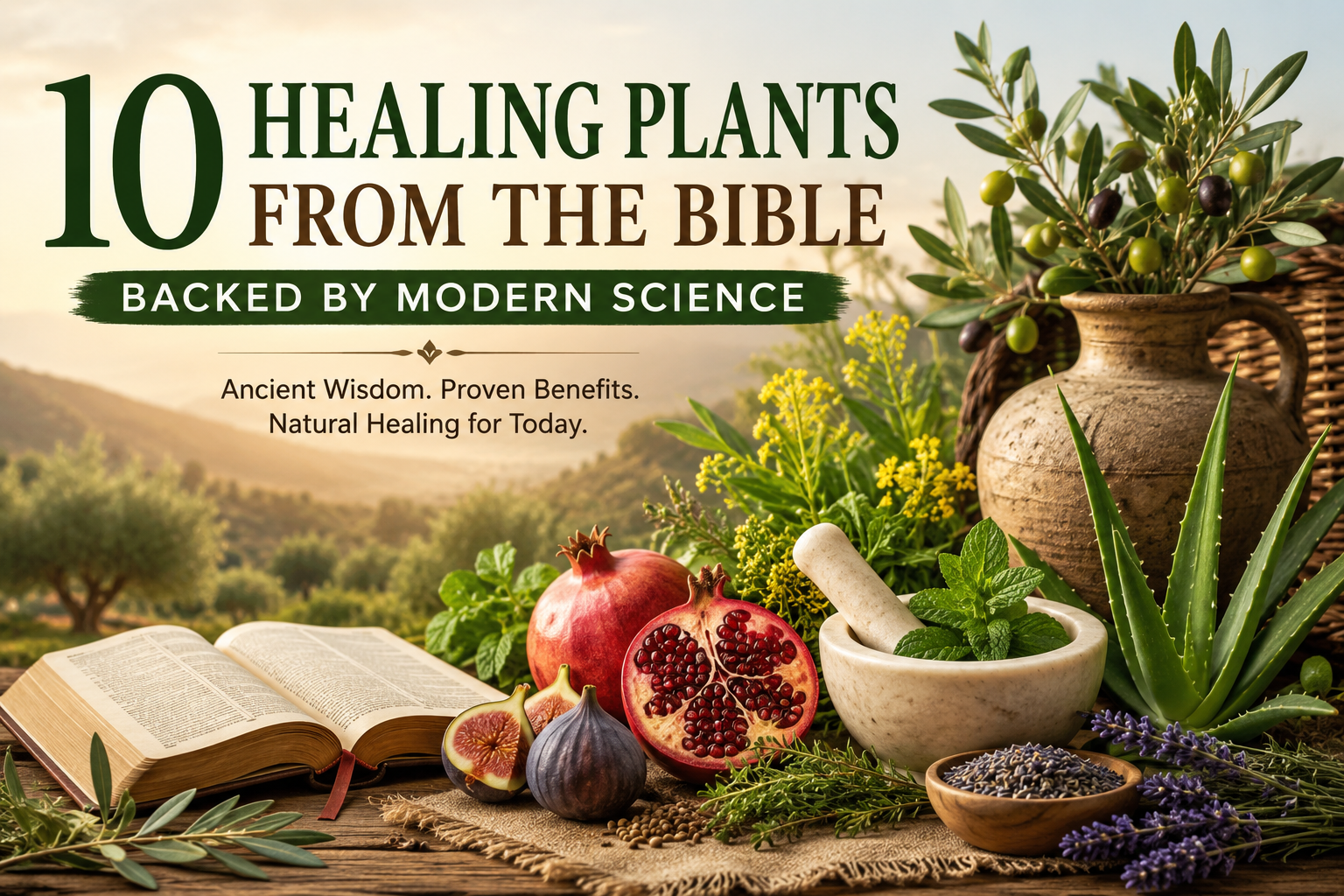
10 Healing Plants From the Bible Backed by Modern Science
Here is a complete article draft based on your title:
10 Healing Plants From the Bible Backed by Modern Science
Have you ever wondered whether the healing plants mentioned in the Bible were simply part of ancient traditions, or if they actually offered real health benefits? For thousands of years, people relied on herbs, trees, and natural remedies found in their environment to support health and wellness. Long before modern medicine existed, many biblical plants were valued for their healing properties and were used in daily life across the Middle East.
What’s fascinating is that modern scientific research has begun to confirm what ancient civilizations seemed to understand centuries ago. Many plants mentioned in Scripture contain compounds that may support immunity, reduce inflammation, improve digestion, or promote overall well-being. telebrand
Of course, these plants are not magical cures, nor should they replace professional medical care. However, they offer an interesting connection between biblical history and modern science. Many people are surprised to learn that some of these plants can even be grown at home, making them a meaningful addition to a garden inspired by faith and nature.
Let’s explore ten healing plants connected to the Bible and discover what modern research says about them.
1. Olive Tree
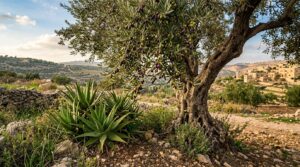
The olive tree is one of the most significant plants in the Bible. It symbolizes peace, blessing, and prosperity. Olive oil was used for cooking, lighting lamps, anointing, and caring for the body.
Modern science has found that extra virgin olive oil contains powerful antioxidants and healthy fats that may support heart health and reduce inflammation. Studies have linked olive oil consumption with lower risks of certain chronic diseases.
If you’re interested in biblical gardening, an olive tree is one of the most meaningful plants you can grow, especially in warmer climates.
2. Aloe
Aloe is often associated with healing and was highly valued in ancient times. References to aloe appear in Scripture as a precious and fragrant plant.
Today, aloe vera is widely known for its soothing gel. Many households keep aloe plants nearby for minor skin irritations and burns. Research suggests that aloe contains compounds that may help support skin health and wound healing.
One thing I’ve noticed over the years is that aloe is one of the easiest medicinal plants to grow. Even beginners can succeed with it.
3. Hyssop
Hyssop appears several times in the Bible and was often associated with cleansing and purification.
Historically, people used hyssop for various traditional remedies. Modern research has found that hyssop contains natural compounds with antioxidant properties. Some studies suggest it may have antimicrobial effects as well.
Besides its potential benefits, hyssop produces beautiful flowers that attract bees and pollinators, making it a valuable addition to any garden.
4. Pomegranate
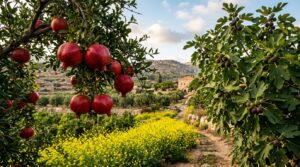
Pomegranates were symbols of abundance and blessing throughout biblical history. The fruit was highly valued in ancient Israel and even appeared in the decorative design of sacred garments and buildings.
Modern science has identified pomegranates as one of the richest sources of antioxidants among fruits. Research suggests they may help support heart health and protect cells from oxidative stress.
If you’re anything like most readers, you’ll appreciate the fact that pomegranates are not only healthy but also incredibly delicious.
5. Fig
The fig tree appears throughout Scripture and often represents prosperity and peace.
Figs are naturally rich in fiber, vitamins, and minerals. Studies suggest that diets rich in fruits like figs may support digestive health and overall wellness.
Many gardeners enjoy growing figs because the trees are relatively easy to care for and can produce abundant harvests year after year.
Here’s where things get interesting: the fig tree was one of the most familiar plants in biblical life, making it a living connection to ancient history.
6. Mustard
Most people know the mustard seed because of Jesus’ famous teaching about faith. Despite its tiny size, the mustard seed grows into a surprisingly large plant.
Modern nutritional research shows that mustard seeds contain beneficial plant compounds and minerals. Mustard greens are also packed with vitamins and antioxidants.
Growing mustard is simple, making it an excellent choice for beginner gardeners looking to add biblical plants to their collection.
7. Mint
Mint was commonly known in biblical times and was valuable enough to be mentioned in the New Testament.
Today, mint remains one of the most popular herbs worldwide. It is often used to support digestion and create refreshing teas.
Scientific studies suggest that compounds in mint may help soothe digestive discomfort and provide a cooling sensation that many people enjoy.
One of the biggest advantages of mint is how quickly it grows. In fact, gardeners often need to contain it because it spreads so aggressively.
8. Coriander
Coriander is indirectly referenced in the Bible when manna is described as resembling coriander seed.
Both coriander seeds and cilantro leaves are widely used in cooking. Research suggests coriander contains antioxidants and other plant compounds that may contribute to overall health.
Its fresh flavor and versatility make it a favorite herb in kitchens around the world.
Many people are surprised to learn that coriander can be grown easily in small spaces, including containers.
9. Cedar
The Cedar of Lebanon is one of the most famous trees mentioned in Scripture. It symbolized strength, stability, and greatness.
While cedar is not commonly used as a food source, cedar wood and oils have long been valued for their aromatic qualities. Some studies have explored the antimicrobial properties of compounds found in cedar oils.
The tree’s impressive size and historical significance continue to make it a symbol of endurance and resilience.
10. Lily
Jesus referred to the lilies of the field when teaching about trust and God’s provision.
Although lilies are primarily appreciated for their beauty, many flowering plants have been studied for the natural compounds they contain. Lilies remind us that wellness is not only physical but also emotional and spiritual.
A beautiful garden can reduce stress, improve mood, and create opportunities for reflection and prayer.
That may be one of the most overlooked health benefits of all.
What These Plants Teach Us
Beyond their potential healing properties, these biblical plants carry lessons that remain relevant today.
The olive tree teaches endurance.
The fig tree teaches fruitfulness.
The mustard seed teaches faith.
The cedar teaches strength.
The lily teaches trust.
When you grow these plants, you’re not just cultivating a garden. You’re participating in a tradition that stretches back thousands of years.
Gardening encourages patience, responsibility, and appreciation for the natural world. It reminds us that growth takes time and that small beginnings often lead to remarkable results.
Final Thoughts
The connection between biblical plants and modern science is both fascinating and inspiring. While ancient people may not have understood antioxidants, nutrients, or plant chemistry, they recognized the value of many plants that continue to benefit people today.
Whether you’re interested in gardening, biblical history, natural wellness, or simply creating a more meaningful outdoor space, these ten plants offer a wonderful place to start.
You don’t need a large property or years of gardening experience. Even a small container garden can help you connect with the plants that have been part of human history for generations.
The next time you see an olive tree, a fig, a pomegranate, or even a simple mustard plant, remember that these aren’t just plants. They are living reminders of faith, history, resilience, and the remarkable relationship between nature and human well-being.