10 Fruits of the Bible You Can Grow in Your Backyard
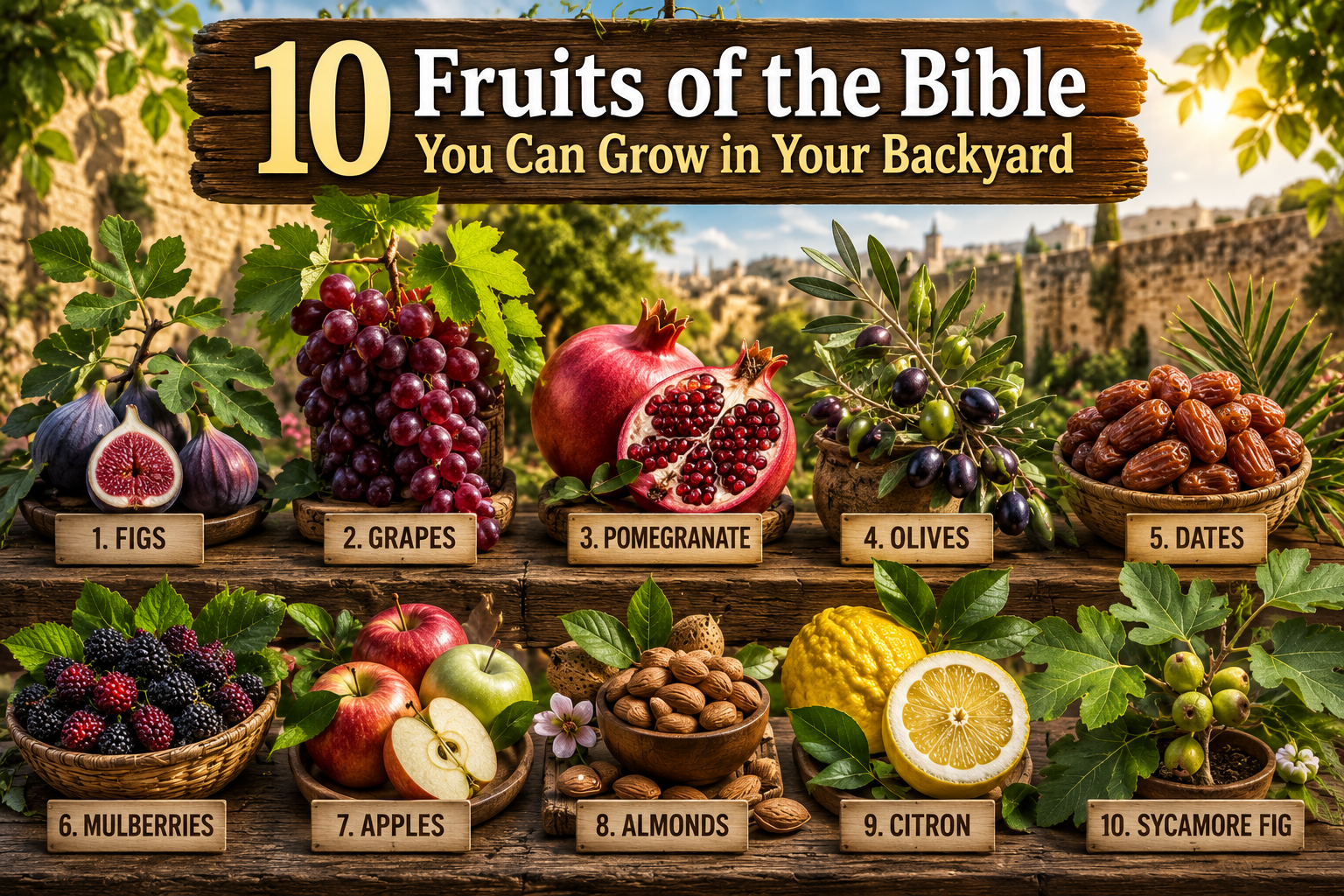
10 Fruits of the Bible You Can Grow in Your Backyard
Imagine walking into your backyard and picking fresh fruit from plants that have been treasured for thousands of years. It’s a simple idea, yet it creates a remarkable connection between gardening and biblical history. Many of the fruits mentioned in the Bible are still grown today, and with the right care, several of them can thrive in home gardens across the United States.
Many people are surprised to learn that biblical fruits aren’t just symbols found in Scripture—they’re real, productive plants that can provide beauty, shade, delicious harvests, and even meaningful reminders of faith. Whether you have a spacious backyard or a small garden with a few containers, growing biblical fruits can be a rewarding experience for the whole family.
Let’s explore ten fruits mentioned in the Bible that you can grow in your own backyard.
1. Fig
The fig tree is one of the most frequently mentioned fruit trees in the Bible. It symbolizes peace, prosperity, and spiritual growth. Fig trees are surprisingly easy to grow in warm climates and many varieties also thrive in large containers. Their sweet fruit is perfect for fresh eating, baking, or making homemade jam.
2. Grapes
Grapes appear throughout Scripture and are closely connected with vineyards, harvest, and celebration. If you have a sunny location and a sturdy trellis, grapevines can reward you with generous harvests year after year. Besides producing delicious fruit, they also create natural shade over patios and garden paths.
3. Pomegranate
With its bright red fruit filled with jewel-like seeds, the pomegranate was a symbol of abundance and blessing in biblical times. It prefers warm weather and full sunlight, making it an excellent choice for gardeners in suitable climates. Even when not producing fruit, its vibrant flowers add beauty to any landscape.
4. Olive
Although many people think of olives as vegetables, they are actually fruits. The olive tree is one of the most iconic plants in the Bible and represents peace, hope, and endurance. Dwarf olive varieties grow well in containers, making them a great option for gardeners with limited space.
5. Dates
Dates grow on date palm trees and were an important food source throughout the ancient Middle East. While true date palms require hot climates, they are fascinating plants that remind us of the rich agricultural traditions described in Scripture. In suitable regions, they become stunning landscape trees.
6. Mulberries
The Bible mentions mulberry trees in several passages, and they continue to be popular among home gardeners today. Mulberries are fast-growing, produce sweet berries, and attract birds and pollinators. They require little maintenance once established and provide generous harvests each season.
7. Apples
The exact identity of the “apple” mentioned in some Bible translations is debated by scholars, but apple trees remain one of the most rewarding fruit trees for backyard gardens. Modern varieties are available for nearly every climate, offering crisp fruit and beautiful spring blossoms.
8. Almonds
Almonds are another fruit mentioned in Scripture, most notably in the story of Aaron’s staff. Almond trees bloom early in spring with delicate pink and white flowers, creating one of the most beautiful displays in any garden. They also produce nutritious nuts that are enjoyed around the world.
9. Citron
Citron is an ancient citrus fruit known for its thick, fragrant rind. Although it isn’t as common as lemons or oranges, it has a long history in the region where many biblical events took place. Gardeners in warmer climates can successfully grow citron trees, adding a unique and historic fruit to their collection.
10. Sycamore Fig
The sycamore fig appears several times in the Bible and was valued for both its fruit and shade. While it requires a tropical climate to grow outdoors, learning about this remarkable tree helps us better understand the agricultural world of biblical times. Its broad canopy provided shelter for travelers and communities alike.
Tips for Growing Biblical Fruits
If you’re inspired to start your own biblical fruit garden, keep these practical tips in mind:
- Choose fruit varieties suited to your local climate.
- Plant in locations that receive at least six hours of sunlight daily.
- Improve soil with compost before planting.
- Water deeply rather than frequently.
- Prune trees and vines each year to encourage healthy growth.
- Protect young plants from pests and harsh weather.
One thing I’ve noticed over the years is that patience is one of the greatest lessons gardening teaches. Fruit trees don’t produce overnight, but every season brings new growth, stronger roots, and the promise of future harvests.
Final Thoughts
Growing fruits mentioned in the Bible is about more than harvesting fresh produce. It’s an opportunity to experience Scripture in a practical way while creating a beautiful and productive garden. Every fig, grape, olive, or pomegranate reminds us that God’s creation has provided nourishment and inspiration for generations.
Whether you’re planting your very first fruit tree or expanding an existing garden, these biblical fruits can bring beauty, history, and purpose to your backyard. Start with one or two varieties that fit your climate, care for them faithfully, and enjoy watching your garden become a living connection to the timeless stories of the Bible. The harvest may take time, but the journey is every bit as rewarding as the fruit itself.